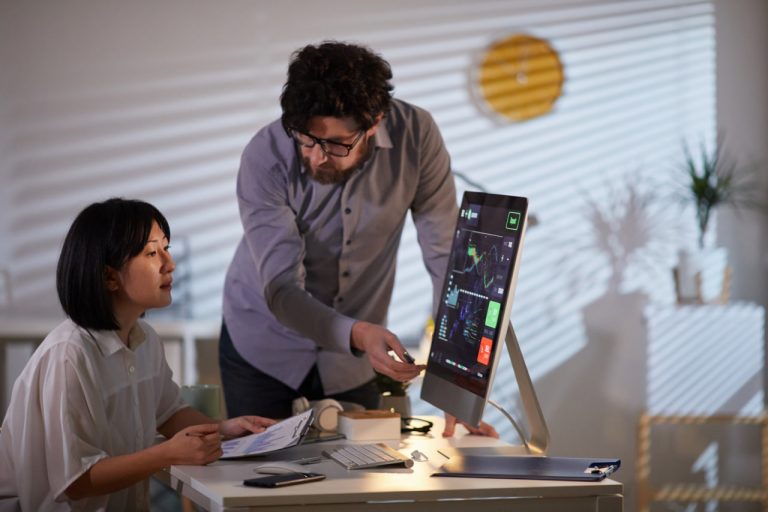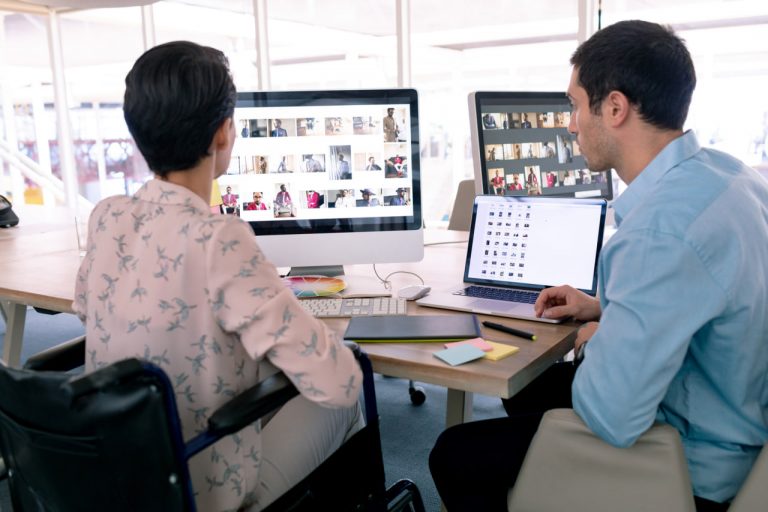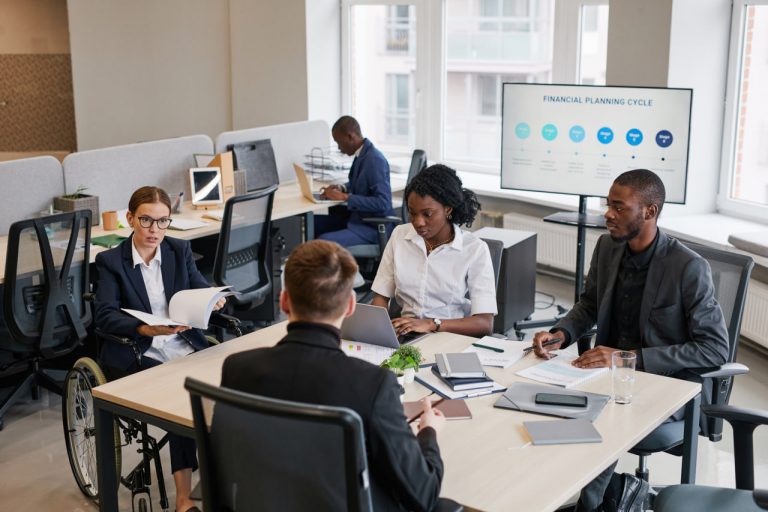
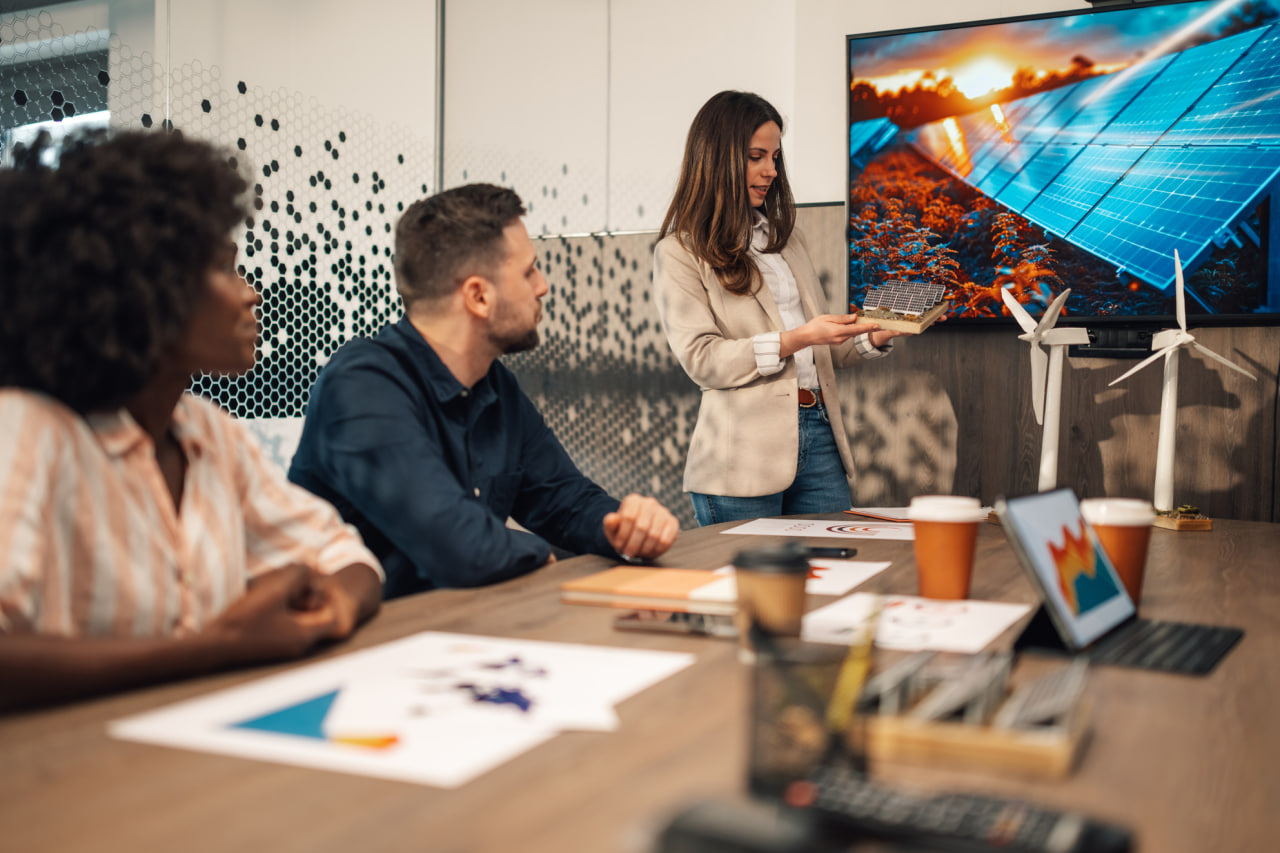
Functional design is about creating spaces that support the way you live, work, and interact with your environment. It focuses on usability, efficiency, and comfort while maintaining aesthetics. When designed thoughtfully, functional spaces reduce stress, save time, and enhance the overall quality of daily life. Understanding how to align design with practical needs allows your environment to work for you rather than against you.
Understanding Functional Design
Functional design prioritizes usability and convenience without sacrificing style. It involves assessing how a space is used, identifying recurring tasks, and arranging the environment to simplify activities. From layout planning to furniture selection and storage organization, functional design ensures that every element serves a purpose and supports your routines effectively.
Ergonomics and Comfort
A functional space considers human comfort and ergonomics. Proper desk heights, chair support, lighting placement, and reachable storage reduce physical strain and make everyday activities easier. In kitchens, ergonomic arrangements streamline cooking and cleaning, while in living areas, seating and table placements enhance both relaxation and social interaction. Thoughtful ergonomics improves not only comfort but also productivity and well-being.
Optimizing Flow and Movement
Flow is a critical aspect of functional design. Arranging furniture and defining zones based on movement patterns ensures that spaces feel intuitive and unblocked. For example, in a living room, seating should allow easy access to exits and pathways. In workspaces, essential tools and equipment should be within reach. Optimized flow minimizes friction and makes daily routines more efficient and enjoyable.
Multi-Functional Spaces
Modern lifestyles often require spaces that serve multiple purposes. Functional design incorporates adaptability, allowing rooms to accommodate different activities. A home office can double as a guest room, a dining area can transform into a workspace, and a living room can include zones for relaxation and hobbies. Multi-functional spaces make the most of available square footage while maintaining convenience and order.
Accessibility and Convenience
Functional design ensures that everything in a space is accessible and logically placed. Frequently used items should be easy to reach, while less-used items can be stored out of the way. Clear labeling, open shelving, and organized storage systems contribute to convenience and reduce time spent searching for essentials. Accessibility enhances usability and supports a smoother daily routine.
Lighting and Atmosphere
Lighting is an integral part of functional design. Adequate lighting supports activities such as reading, cooking, working, or relaxing. Layered lighting strategies, including ambient, task, and accent lighting, allow rooms to adjust to different functions and moods. Functional spaces use light intentionally to enhance usability while creating a comfortable and visually appealing atmosphere.
Integrating Technology and Tools
Technology can enhance the functionality of any space. Smart devices, efficient appliances, and organizational tools streamline daily tasks and improve convenience. From smart lighting and thermostats to modular furniture and storage solutions, integrating appropriate tools makes spaces more efficient and easier to maintain.
Maintaining Function Over Time
A functional space is not static. As needs and habits evolve, spaces should adapt to maintain efficiency. Periodically reassess layouts, storage, and furniture placement to ensure they continue to support your routines. Small adjustments, reorganizations, or updates to tools and furniture keep spaces practical, organized, and aligned with daily life.